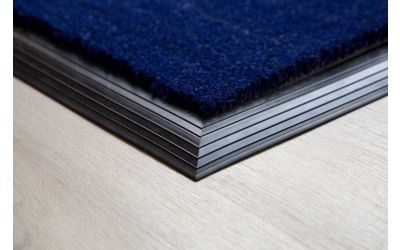
Understanding the Importance of Commercial Matting
Commercial matting plays a pivotal role in the maintenance of flooring in various environments, providing protection against dirt, moisture, and physical wear. Effective matting systems can significantly extend the lifespan of floors by acting as the first line of defense against the elements. For instance, entrance mats effectively trap dirt and moisture, preventing debris from being tracked indoors, which could damage flooring materials over time [^1^].
Moreover, commercial matting contributes to workplace safety. Mats designed with anti-slip properties help reduce the risk of accidents caused by wet and slippery surfaces, thereby enhancing overall safety for employees and visitors. The presence of high-quality matting is essential in environments prone to adverse weather conditions, as it mitigates hazards associated with rain or snow [^2^].
In addition to safety and protection, matting plays a crucial role in creating a welcoming atmosphere. Attractive and well-placed mats can enhance the aesthetic appeal of an entrance, leaving a positive first impression on customers and clients. This not only contributes to a pleasant environment but also reinforces a business's commitment to cleanliness and professionalism.
Furthermore, different environmental conditions can greatly influence flooring longevity. For instance, high foot traffic areas require specially designed matting that can withstand wear without losing effectiveness. Conversely, more hospitality-focused settings may prioritize aesthetics alongside functionality [^3^].
To ensure that matting serves its optimal purpose, it's essential to choose mats that align with specific environmental challenges and flooring materials. This strategic selection can ultimately lead to significant cost savings in repairs and replacements over time, underscoring the importance of investing in quality Commercial Matting solutions.
Types of Commercial Matting Solutions
Entrance Mats
Entrance mats play a crucial role in enhancing safety and cleanliness within commercial spaces. These mats are designed to trap dirt and moisture from shoes, reducing the risk of slips and falls. Typically made from durable materials such as rubber or nylon, they can withstand heavy foot traffic. Businesses like retail stores and offices benefit from entrance mats by maintaining a pristine environment while prolonging the lifespan of flooring. Custom branding options also allow businesses to enhance their signage impact right at the entrance.
Anti-Fatigue Mats
Anti-fatigue mats are essential for environments where employees stand for long periods, such as in kitchens, assembly lines, or retail counters. These mats provide cushioning and support, helping to alleviate discomfort and fatigue experienced by workers. By promoting better posture and circulation, anti-fatigue mats can enhance productivity and reduce the likelihood of workplace injuries. According to a study published by the European Journal of Applied Physiology, standing on cushioned surfaces can significantly lower fatigue levels in workers.
Specialty Mats
Specialty mats cater to specific industry needs, offering unique features tailored to particular environments. For example, grease-resistant mats are essential in kitchens, while electrostatic discharge (ESD) mats are vital in electronics manufacturing to prevent damage to sensitive equipment. Other types include moisture-wicking mats suitable for bathrooms and spa areas. Selecting the right specialty mat can improve safety and efficiency, ensuring that businesses meet industry standards and provide a conducive working environment.
In conclusion, the right choice of commercial matting not only enhances safety and comfort but also contributes to a professional appearance. By understanding the unique features and benefits of each type—entrance mats, anti-fatigue mats, and specialty mats—businesses can make informed decisions to best meet their needs.
Material Matters: Choosing the Right Fabric for Your Needs
Vinyl
Vinyl mats are highly durable, resisting tearing and punctures, making them suitable for high-traffic areas. They are easy to clean, requiring only regular sweeping and occasional mopping; stains can be removed with common cleaning solutions. Additionally, vinyl is available in various colors and patterns, allowing for design flexibility to match different commercial environments. However, they can be hard underfoot, offering less cushioning compared to other materials, and environmental concerns arise as production and disposal can generate harmful chemicals.
Rubber
Rubber mats are exceptionally tough and resistant to wear, ideal for areas with heavy foot traffic. They provide excellent slip resistance due to their textured surface and offer better cushioning, which can reduce fatigue for employees who stand for long periods. On the downside, cleaning rubber mats can be challenging, and new rubber mats can emit a strong smell that may be unappealing in enclosed spaces.
Carpet
Carpet matting offers a warm and inviting look, available in a variety of textures, colors, and patterns that enhance interior design. The soft texture provides a comfortable surface, making it suitable for areas where employees may stand or sit frequently. However, carpet mats wear out quicker in high-traffic areas, requiring more intensive maintenance, including regular vacuuming and occasional deep cleaning to prevent stains and odors.
In summary, the choice of material for commercial matting heavily depends on specific needs regarding durability, maintenance, and aesthetics. While vinyl offers versatility and durability, rubber provides safety and comfort. Carpet, though aesthetically pleasing, may require higher maintenance and have a shorter lifespan in demanding environments.
Key Considerations for High-Traffic Areas
When selecting matting for high-traffic entrances, it’s crucial to consider several key factors to ensure safety, longevity, and ease of maintenance.
- Slip Resistance: Choose mats with high traction surfaces to prevent slips and falls. Look for mats that meet relevant slip resistance standards, such as those set by the British Standards Institution (BS 7976). Rubber-backed options typically provide excellent grip, especially in wet conditions.
- Cleaning Ease: Consider matting that can be easily cleaned. Mats should be machine washable or easily removable for maintenance. Products designed with dirt-trapping features, such as grooves or raised patterns, facilitate the removal of debris and moisture.
- Weather Adaptation: Ensure that the matting is suitable for the specific environmental conditions of the entrance. For outdoor settings, select mats that are designed to withstand extreme temperatures, UV exposure, and moisture.
Additionally, businesses should evaluate foot traffic patterns and environmental conditions while not overlooking the visual appeal of matting; colour, design, and branding options can enhance the entrance’s overall aesthetic while delivering functionality.
Maintenance and Care for Longevity
Maintaining commercial mats effectively is crucial for ensuring their longevity and effectiveness while contributing to overall safety and cleanliness. Here are best practices for cleaning, identifying replacement needs, and benefiting from regular maintenance.
Cleaning Techniques
- Regular Vacuuming: Frequent vacuuming removes dirt and debris, preventing damage to the mat's fibers. Aim for a daily vacuuming schedule in high-traffic areas (Health and Safety Executive).
- Spot Cleaning: Tackle stains immediately with appropriate cleaning agents. Use a mild detergent solution and a soft brush for scrubbing, rinsing thoroughly to remove any residue that could attract dirt (Cleaning Institute).
- Deep Cleaning: Schedule deep cleaning every 3–6 months using a professional service or an in-house steam cleaner to target embedded dirt and allergens, enhancing the mat’s appearance and hygiene (Institute of Inspection Cleaning and Restoration Certification).
Replacement Indicators
- Visible Wear and Tear: Check for fraying edges, fading colours, or significant discolouration, indicating that the mat may no longer effectively fulfill its purpose.
- Odours and Stains: Persistent smells or stains that cannot be removed through cleaning suggest it may be time for replacement, contributing to an unhealthy environment (National Floor Safety Institute).
- Loss of Texture or Grip: If the mat’s texture is smooth or slippery, it may not provide the grip required to prevent slips and falls, becoming a liability rather than an asset (SafeWork).
Cost Savings from Regular Maintenance
Investing in regular maintenance not only prolongs the life of mats but can also lead to significant cost savings.
- Reduced Replacement Frequency: Well-maintained mats can last 2-3 times longer than neglected ones, delaying the need for costly replacements (Facility Cleaning).
- Decreased Liability Costs: Maintaining mats to reduce slip hazards lowers the risk of accidents, minimizing potential liability claims and insurance costs (OSHA).
- Enhanced Aesthetics and Comfort: Clean mats contribute to a positive customer experience, which is invaluable for retention and satisfaction, potentially increasing revenue over time (Customer Experience Magazine).
By implementing these best practices, businesses can ensure that their commercial mats remain effective and safe, translating to long-term savings and improved workplace conditions.
Sources
- British Institute of Cleaning Science - Article Title
- Cleaning Institute - Article Title
- Construction Industry Research and Information Association (CIRIA) - Article Title
- Customer Experience Magazine - Article Title
- Facility Cleaning - Article Title
- Health and Safety Executive - Article Title
- Institute of Inspection Cleaning and Restoration Certification - Article Title
- National Floor Safety Institute - Article Title
- OSHA - Article Title
- SafeWork - Article Title

No comments:
Post a Comment